
A Refreshing Reimagining on Wine Investment
Vyne is a digital platform where wineries can allocate a portion of limited-production wines while they are still aging, and investors can purchase fractional ownership through digital tokens. Instead of forcing users to buy full bottles or full cases, the platform lowers the barrier to entry and lets users build diversified portfolios across producers, vintages, and regions. The platform also introduces an internal branded currency called vynes, where 1 vyne equals 1 USD. Investors deposit money into the app, convert it into vynes, and then use that balance to buy ownership tokens tied to specific wine offerings. This structure makes the platform feel intuitive, tradeable, and scalable while still being anchored in real physical wine assets.
Current Market Assessments
Problems & Opportunities

Market Problems
High entry costs/limited fractional ownership
Low liquidity for wineries and investors
Opaque pricing and sourcing
Reliance on brokers, warehouses, and intermediaries
Slow and exclusive investment model
Market Opportunities
Fine wine is an emerging alternative asset
Historically strong long-term performance
Scarcity and aging support value growth
Combines financial return with cultural prestige
Offering varying fine wine investments beyond lengthy maturity rates
Timeline
How Does Wine Investment Work?
Traditional wine investing often requires holding bottles for many years before selling them through brokers or auction houses. Vyne introduces a digital marketplace where investors can buy and sell tokens in real time while the wine continues aging in storage. This creates a more dynamic market where investors can adjust their positions, capture appreciation, or rebalance their portfolios without moving the physical asset.

Aging

Vyne
Transactions can now be performed on the platform, utilzing the internal currency of vynes to acquire fractional ownership of any wine produced.

Bottling
The wine is then bottled, labeled, and packaged. Some wines are released immediately, while others continue aging in the bottle before being sold.

Distribution
Wine is distributed through wholesalers, sold directly to consumers, or through distributors.
Example
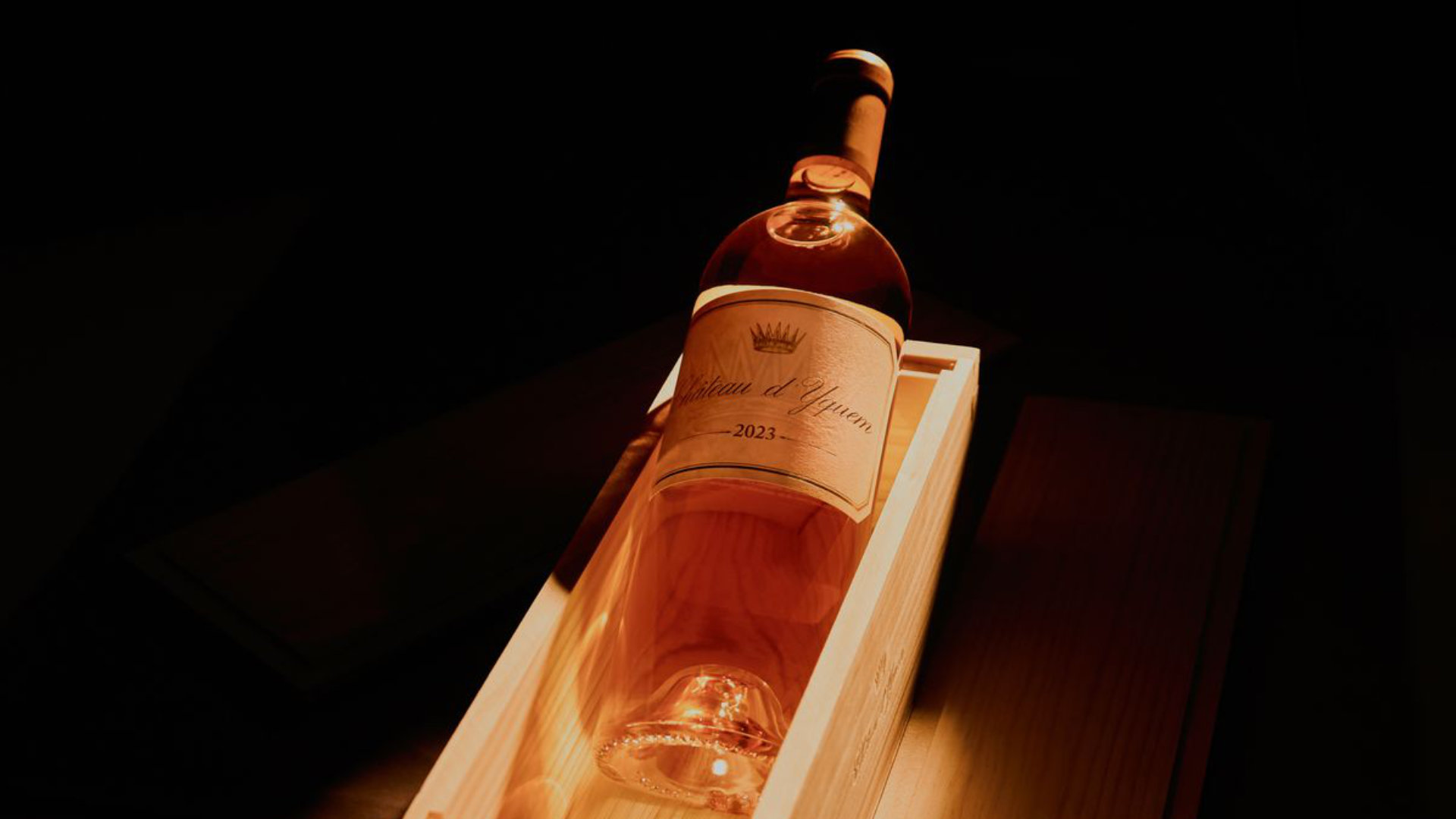
Château d'Yquem
A legendary sweet wine from Bordeaux, is often aged 4–6 years in oak barrels before bottling to develop its complex flavors.
Example
Château d'Yquem
A legendary sweet wine from Bordeaux, is often aged 4–6 years in oak barrels before bottling to develop its complex flavors.
Investment Mechanics
How Does Vyne Platform Work?
Vyne connects wineries and investors through a digital marketplace that transforms fine wine into a tradable asset. Partner wineries allocate a portion of their limited-production wines to the platform while the bottles are still aging. Rather than waiting for traditional distribution and retail sale, these wines can be introduced earlier as investment opportunties.
To illustrate the structure of the platform, consider a winery producing 1,000 bottles of wine. A portion of that production is allocated to Vyne, and in this example 100 bottles are listed on the platform.
Each bottle is split into 100 tokens, creating fractional ownership units for that specific wine. However, those tokens are not the same as vynes. Their price depends on the projected value of the bottle. For example, one wine may have tokens priced at 50 vynes each, while another may have tokens priced at 100 vynes each.
This means the same amount of platform currency can buy different amounts of ownership depending on which wine an investor selects.